



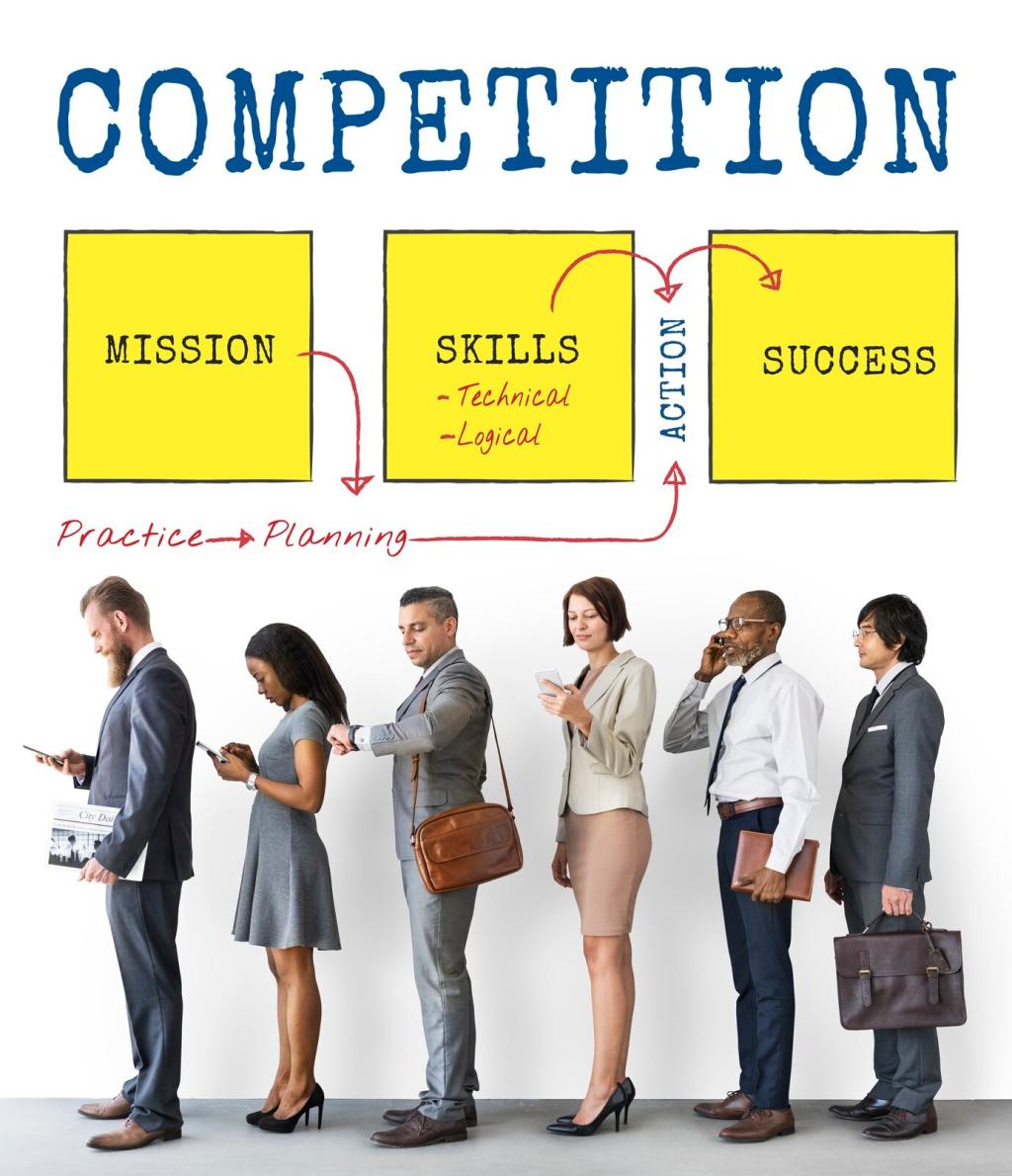



Effective Time Management for Professionals: Focus, Flow, and Real Results

From Busy to Effective: The Professional Time Mindset

Replace the question ‘How long did it take?’ with ‘What moved the needle?’ Professionals win by outputs, not punching clocks. Track delivered value, celebrate finished projects, and adjust tomorrow based on results, not busyness.

From Busy to Effective: The Professional Time Mindset

Identify the 20 percent of efforts producing 80 percent of impact. List tasks by contribution, not comfort. Then schedule high-impact work first. Comment with one high-value activity you will protect on your calendar this week.

Calendar Architecture and Time Blocking

Designing anchor blocks

Reserve recurring anchors for planning, deep work, admin, and recovery. Name them clearly so others respect them. One consultant found that a Tuesday planning anchor cut midweek pivots dramatically and improved client delivery predictability.

Buffers beat burnout

Add ten to fifteen minutes between meetings to capture notes, breathe, and reset. The next meeting benefits from your clarity. Without buffers, small delays cascade and steal deep work from the afternoon without mercy.

Energy mapping your week

Match tasks to your natural energy cycles. Place analytical work where you are sharpest, creative work when you are expansive, and admin when energy dips. Comment with your peak hours to help others discover patterns.

Deep Work, Meetings, and Focus Rituals

Focus sprints that deliver

Use ninety-minute deep work sprints with a clear objective, a visible timer, and a short recovery break. Silence notifications, close tabs, and prepare materials beforehand. Celebrate completion with a short note to your future self.

Meeting hygiene checklist

Require a purpose, decision owner, and pre-read. Invite only contributors. End five minutes early to capture actions. A sales manager reported reclaiming four hours weekly after enforcing this simple checklist across their team calendar.

Asynchronous collaboration that sticks

Move status updates to shared docs or short videos. Comment where the work lives, not in scattered chats. This creates searchable history, fewer interruptions, and clearer ownership. Encourage teammates to subscribe to document notifications.

Email, Chat, and Notification Sanity

Process messages in two or three batches daily, not constantly. Use templates for frequent replies and decision requests. Clear subject lines save future you from searching. Subscribers get our most-requested template pack next week.

Email, Chat, and Notification Sanity

Auto-filter newsletters, CCs, and alerts into read-later folders. Star only action-required messages. Turn off push notifications entirely. When everything shouts, nothing matters. A designer regained two hours weekly after implementing three simple rules.

Tools That Help Without Taking Over

Choose one trusted list, grouped by contexts like focus, quick wins, and follow-ups. Keep entries actionable and visible. A manager replaced three apps with one board and finally felt in control of commitments.

Tools That Help Without Taking Over

Automate recurring tasks, calendar confirmations, and file naming. Learn core keyboard shortcuts and text expanders. Small efficiencies compound. Share your favorite shortcut so the community can save precious minutes every single day.

Tools That Help Without Taking Over

Create a simple dashboard for priorities, blockers, and metrics. Run a thirty-minute Friday review to reset commitments. This lightweight ritual prevents carryover chaos and keeps projects moving with intention into the next week.


Sustainable Performance and Boundaries

Rest as a strategy

Recovery enables output. Schedule breaks, protect sleep, and step outside daily. One engineer reported fewer mistakes after adding short walks between code reviews. Rest is a professional choice, not a personal indulgence.

Rituals for transitions

Create opening and closing rituals to mark work boundaries. Start with a quick plan and end with a tidy desk and tomorrow’s top three. These rituals reduce rumination and free your evening for real life.

Managing distributed time zones

Define overlap hours, record decisions, and rotate inconvenient times fairly. Use async updates for everything else. Post your time zone preferences to reduce friction and frustration. Teams thrive when time equity is respected.
Portfailio
Privacy Overview

This website uses cookies so that we can provide you with the best user experience possible. Cookie information is stored in your browser and performs functions such as recognising you when you return to our website and helping our team to understand which sections of the website you find most interesting and useful.